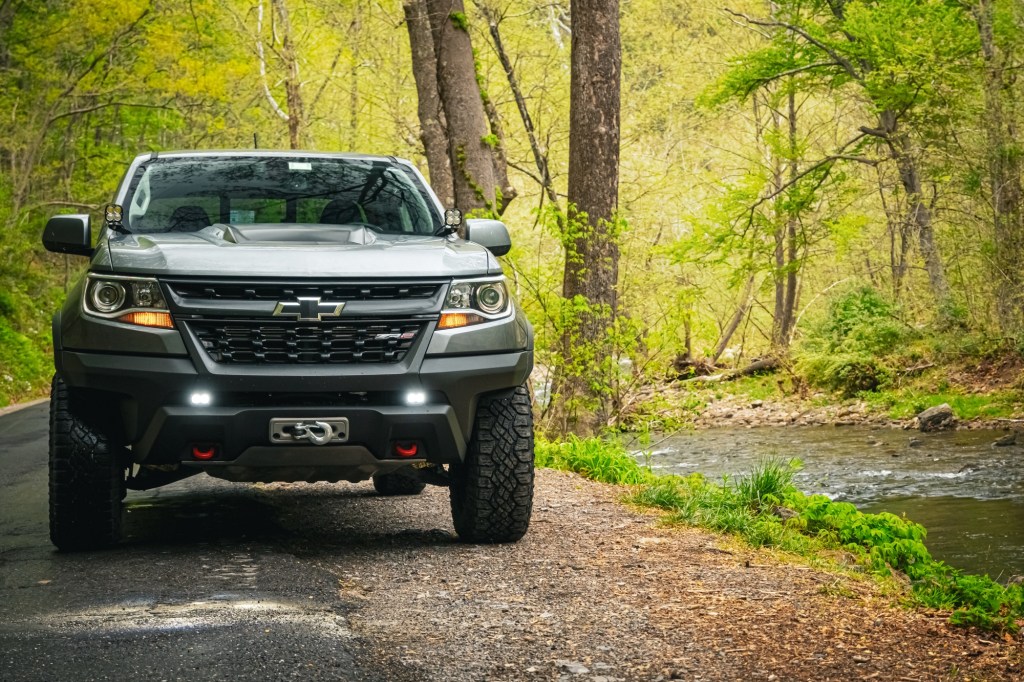
Publisher's Build: 2020 Chevrolet Colorado ZR2 | Phase One
As we descended the Canaan Valley Loop for our first time as a team, my good friend Jeremiah and I took turns spotting each other as we traversed the damp rocky trail amidst the Monongahela National Forest in West Virginia on a crisp November afternoon. Despite there not having been much rain in the previous 72 hours, the various creeks running through this part of the mountains added a thin layer of moisture to the entire trail, which consisted of rock steps up to 2 feet in height, and enough uneven trail to abuse the most robust suspensions if not treated with respect. Jeremiah and I had taken an opportunity to converge on this part of the Midwestern US from Ohio and Maryland, respectively, to exercise our first iterations of our overland vehicles. Jeremiah, in his venerable 80-series Toyota Land Cruiser, and I in Lobo, a 2020 Chevrolet Colorado ZR2. Both vehicles were in mostly stock form at this point on our journeys as travelers. This trip was mostly intended to explore both a region that was, at the time, new to us, and the limits of our respective vehicles. It would also serve as a shakedown run for our first increment of camping equipment to see what worked, what didn’t, and how we may need to change our loadout for future trips.

GM Enters the Fray
Chevrolet has produced trucks since 1918, when it released the Model T (for Truck, of course!) to compete with Ford’s 1-ton Model TT. The second-generation ZR2 (the first-generation ZR2 was offered in 1994 as a trim of the Chevrolet S-10 truck) was a culmination of nearly a century of research, development, and off-road motorsport when it was introduced in 2017 as the flagship off-road trim of Chevrolet’s highly successful second-generation Colorado midsize pickup. This would be GM’s formal response to Toyota’s Tacoma TRD Pro, which at the time was dominating the midsize off-road market in the US market (the Ford Ranger Raptor would not return to US shores until 2024, and the Jeep Gladiator would not be released until 2018).
And what a response the ZR2 would be. The ZR2 would offer a two-inch factory lift to give the Colorado 8.9″ of total ground clearance. Its high-clearance front and rear bumpers would afford the ZR2 a 30-degree approach angle, and 23.5-degrees of departure and breakover. When those weren’t enough, Chevrolet would outfit the ZR2 with an aluminum front skid plate to protect its powerplant (buyers could choose between a 3.6L V6 gas engine, or a 2.8L Diesel), as well as steel frame-mounted rock rails from the factory. To maximize off-road capability, Chevrolet gave the ZR2 standard front and rear locking differentials — a first for the midsize pickup segment! Coupled with the 31-inch Goodyear Wrangler Duratrac Mud-Terrain tires, and a 41:4:1 crawl ratio, the ZR2 was incredibly capable out of the box. Even more impressive is the fact that this capability is coupled with a 1,200-pound payload rating; an impressive value for any midsize truck with this much manufacturer-installed equipment!
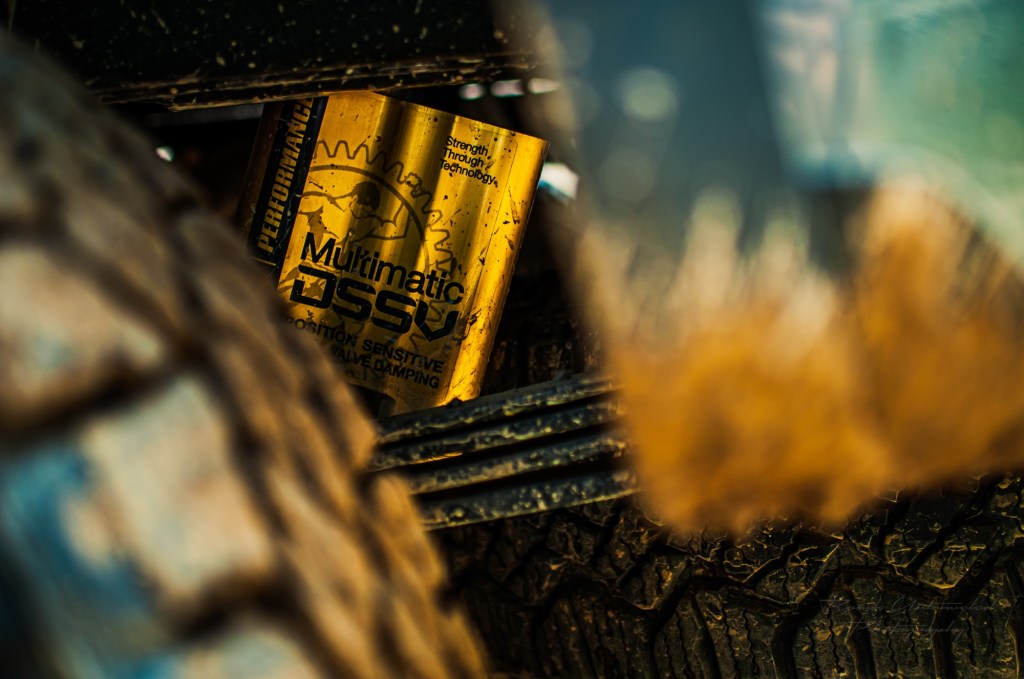
However, the crescendo of the ZR2 was the suspension system: Multimatic’s DSSV shock absorbers, which used spool valve technology to make a uniquely versatile suspension for the ZR2. Spool valve technology takes its lineage from Formula 1 and rally racing. Where shim valves are traditionally used in shock absorbers, spool valves provide much finer control over the performance of the damper across the entire stroke. Multimatic established an official relationship with GM when developing shocks using this technology for the Camaro Z/28. However, Multimatic takes things further in the Colorado ZR2 application in two significant ways. First, the DSSVs on the ZR2 have a unibody remote reservoir, adding the benefits of having an additional reservoir without the additional footprint and complexity. Second, in addition to the rebound and compression valves being spool valves, a position-sensitive third spool valve resides within the shock piston itself. When the shock piston approaches the limit of its compression stroke (for example when landing from a high-speed jump), the oil is forced through this stiffer valve, which absorbs more force and dampens the impact of the event. What these innovations culminate in is a shock that performs very differently across three primary performance envelopes: (1) On-road, the shock is very well-mannered and comfortable — especially for an off-road vehicle, (2) off-road the two main spool valves are optimized for the impacts of rough dirt or rocky terrain, and (3) extreme off road events when the ZR2 is bombing through the desert at high speeds. And because the shock fluid is in constant contact with the inside of the outer aluminum case, cooling is maximized when under extreme demands of overland travel over corrugations. MotorTrend’s William Walker wrote an excellent deep-dive on how the ZR2 suspension was designed, for those interested. The Multimatic shocks, coupled with the ZR2’s armor, locking front and rear differentials and aggressive hybrid all-terrain tires would produce an extremely versatile overland vehicle, suited for a variety of terrain, and extreme obstacles.
On the inside, the ZR2 comes standard with leather-wrapped heated seats, a heated steering wheel, under-seat storage below the rear bench, and an available Bose sound system upgrade to better enjoy your music, podcasts, or audiobooks on long travel days. The seats are very supportive for off-road travel, and keep the driver and front passenger from excessive side-to-side rocking, and are comfortable (enough for the segment).
Beginnings
While Lobo wasn’t originally purchased for overland travel (a towing and hauling vehicle was required by the family at the time), I inevitably began to curiously explore its capabilities. Not one year of ownership would pass before it would be taken to Rousch Off-Road Park in Sturgeon Michigan to put Lobo (or more candidly, put myself) through the paces of off-road driving. I was immediately hooked and would return to Rousch and a handful of other off-road parks over the next year.
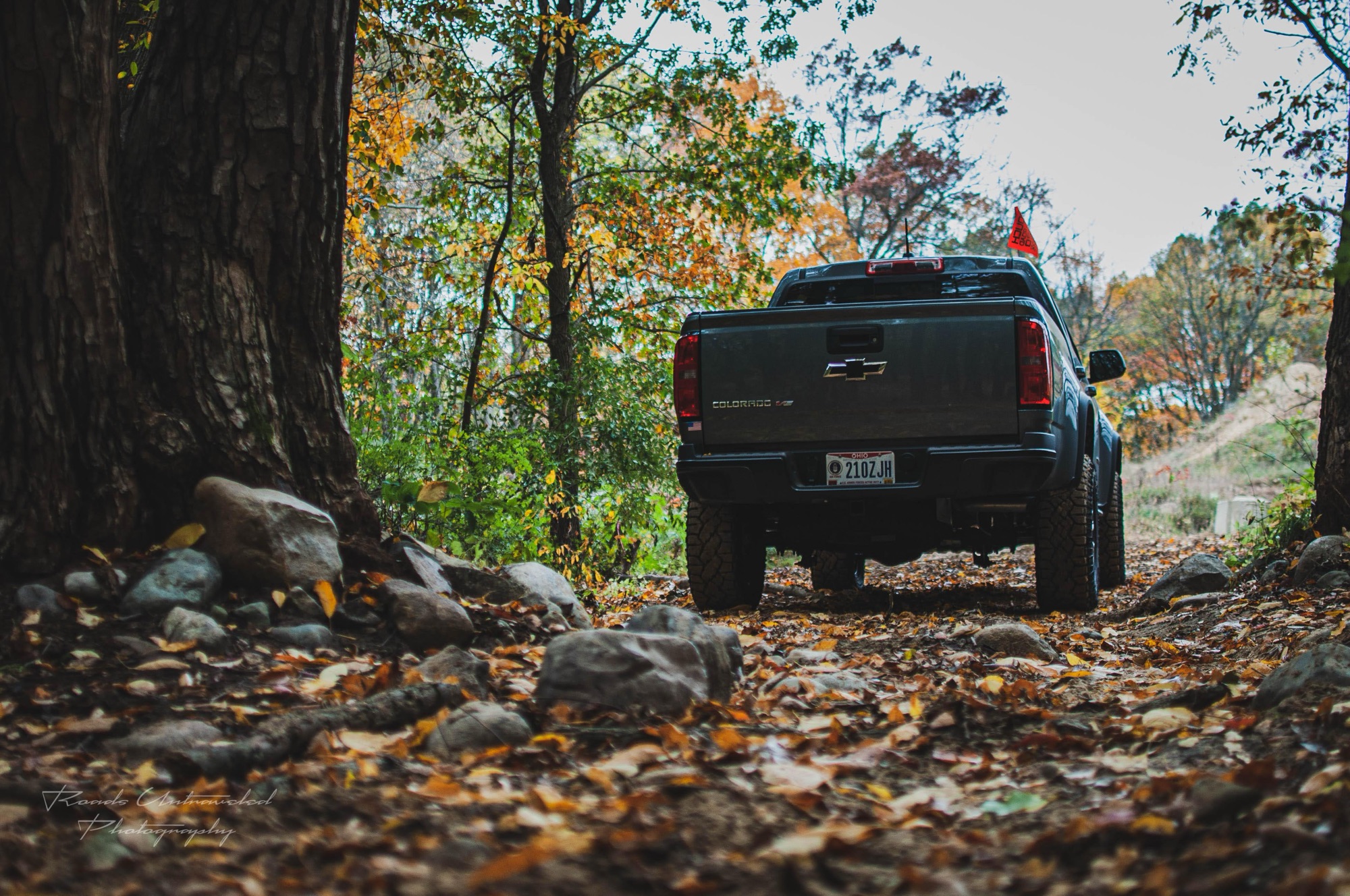
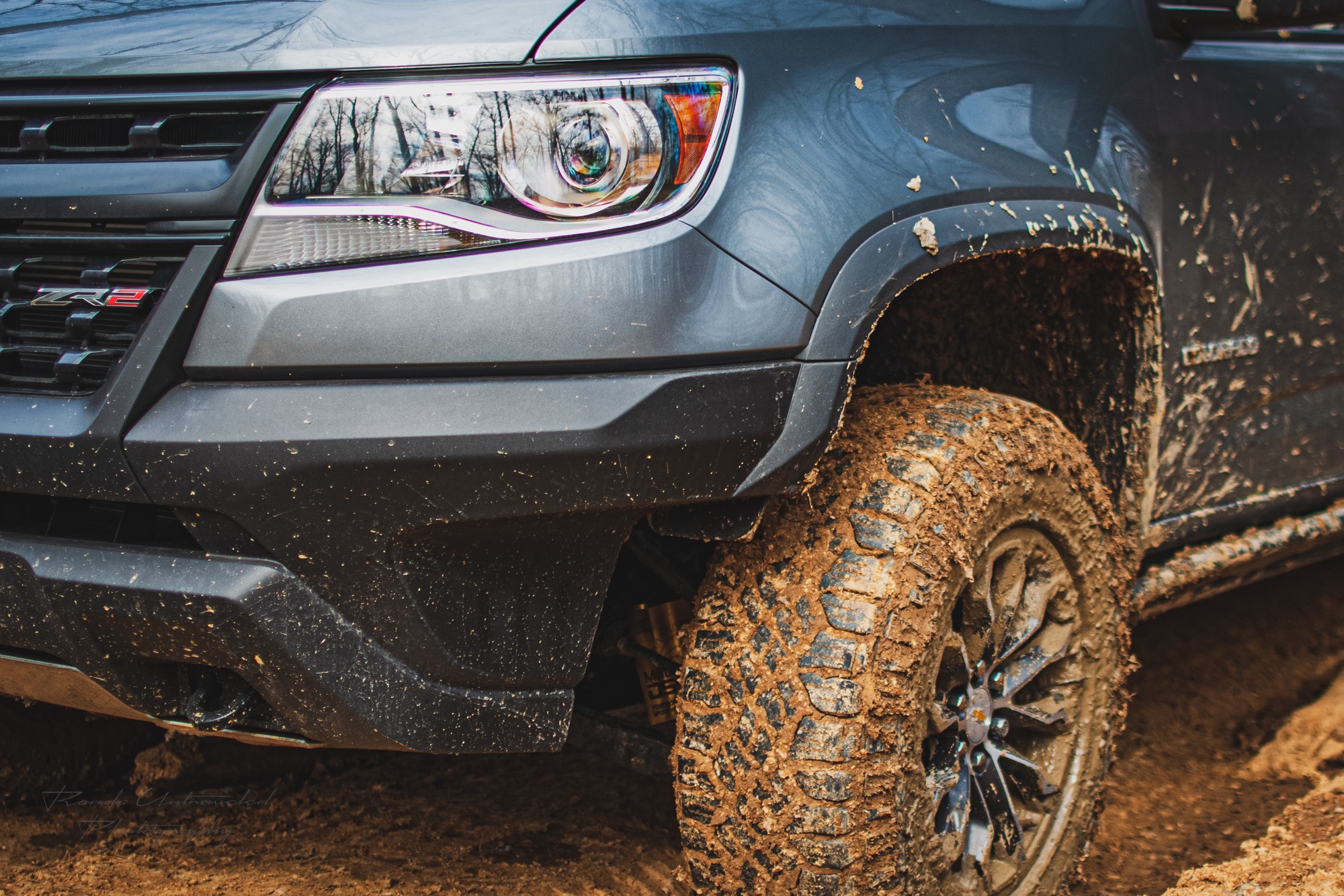

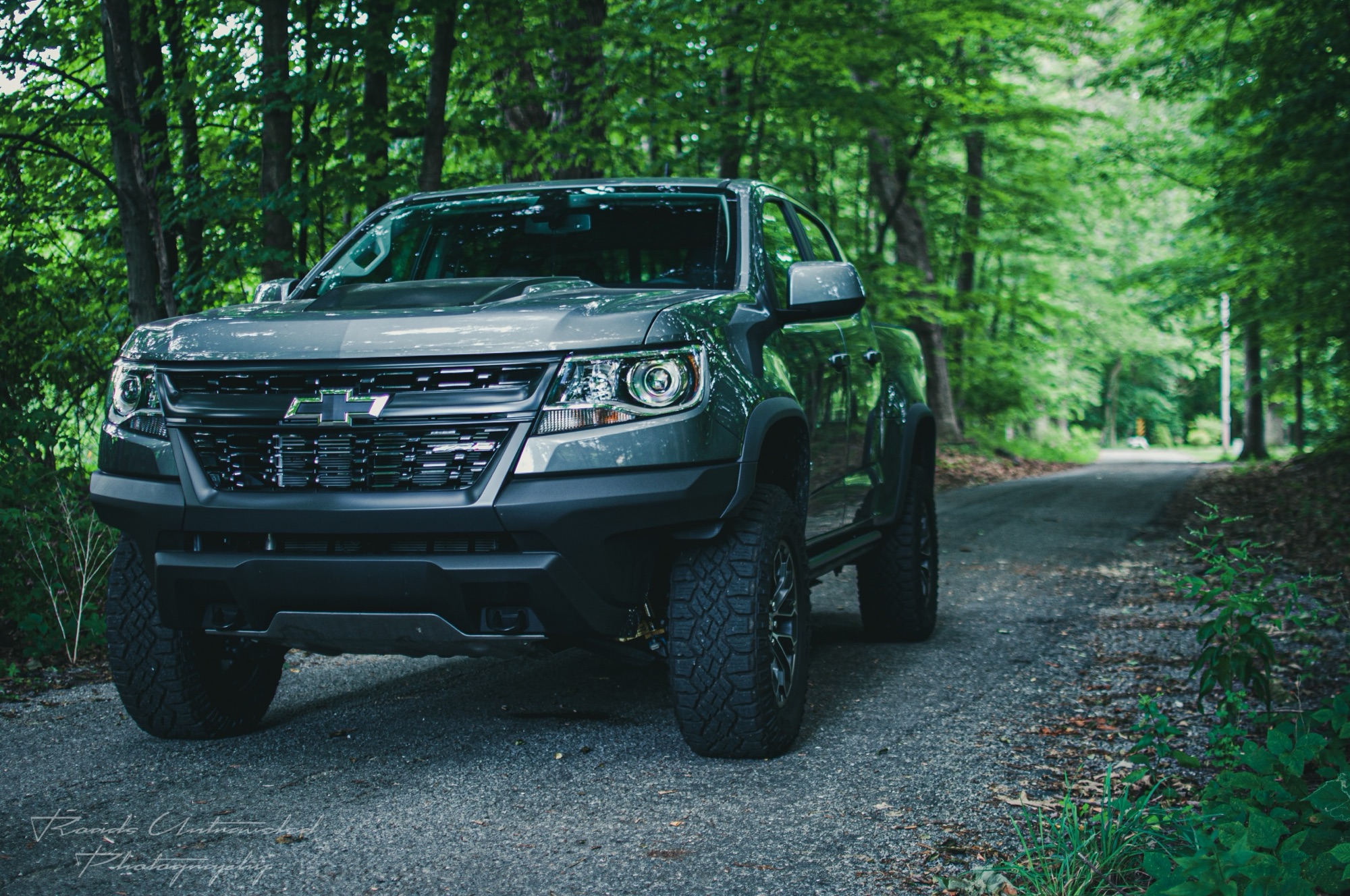
Over time, however, it would become apparent that there was a distinct difference between off-roading driving and overland travel. While off-road driving and clearing obstacles was enjoyable, it was only a means and a skill required to explore the world, which has always been a personal north star. Particularly, as a father of four children, I was drawn to that call to explore — at first on my own as I learned as much as I could about vehicle-dependent travel, but eventually to show my children the world as they became old enough.
The distinction between off-road driving and overland travel become especially important when planning modifications for Lobo. While off-road driving demands a vehicle with maximum suspension travel, a shorter wheelbase and a low center of gravity, overland travel requires optimization. The vehicle must be above all, reliable, capable, and simple. Self-sufficiency needs to be balanced against payload limitations, else the vehicle’s reliability is impacted, and unnecessary repairs (in worst cases, while on an adventure) are needed. Scott Brady from Overland Journal establishes the “Principles of Overlanding,” which is an excellent primer and guide to planning an overland build.
Phase One
As a novice camper, in addition to optimizing Lobo for overland travel, establishing a baseline camping setup was a priority. Specifically, a proper shelter and sleeping system, a simple cooking system, emergency equipment for medical and mechanical issues, and recovery were required. The initial setup included a Napier Sportz in-bed truck tent, which offered the off-ground benefits of a rooftop tent, but had the affordability of ground tents. Inside, a good synthetic-fill sleeping bag for the appropriate weather and an insulated mattress would keep me warm overnight. For cooking, a Camp Chef Everest 2x stove, coupled with a Stanley Base Camp cook system were selected for its versatility as various meals at camp would be explored to find some favorites. For first aid, a MyFak kit from MyMedic was supplemented with key trauma accessories such as a tourniquet, quick clot, and a nasopharyngeal airway (NPA). A basic tool set tailored to common parts and sizes to the ZR2 were stored in an Adventure Tool Company tool roll, which has massive capacity, but rolls tightly to take up minimal space, and is, conveniently made in the USA in Colorado. And finally, for recovery, a pair of recovery boards, a kinetic recovery rope, and an assortment of soft and hard shackles would be carried in an Adventure Tool Company recovery bag.
Lobo’s first adventure outside of an off-road park was to West Virgina’s Monongahela National Forest to traverse the Canaan Valley Loop. This iconic route is known as a good overland trail for beginners, being rated as a level 3/10 on OnXOffroad. It included some US Forest Service roads, mud, and rock shelves up to two feet in height, along with some minor water crossings. That trip brought on two key learnings: the first vehicle-specific modifications should address protecting key components under the truck, and a better organizational system to more quickly access items from the cargo bed when needed.
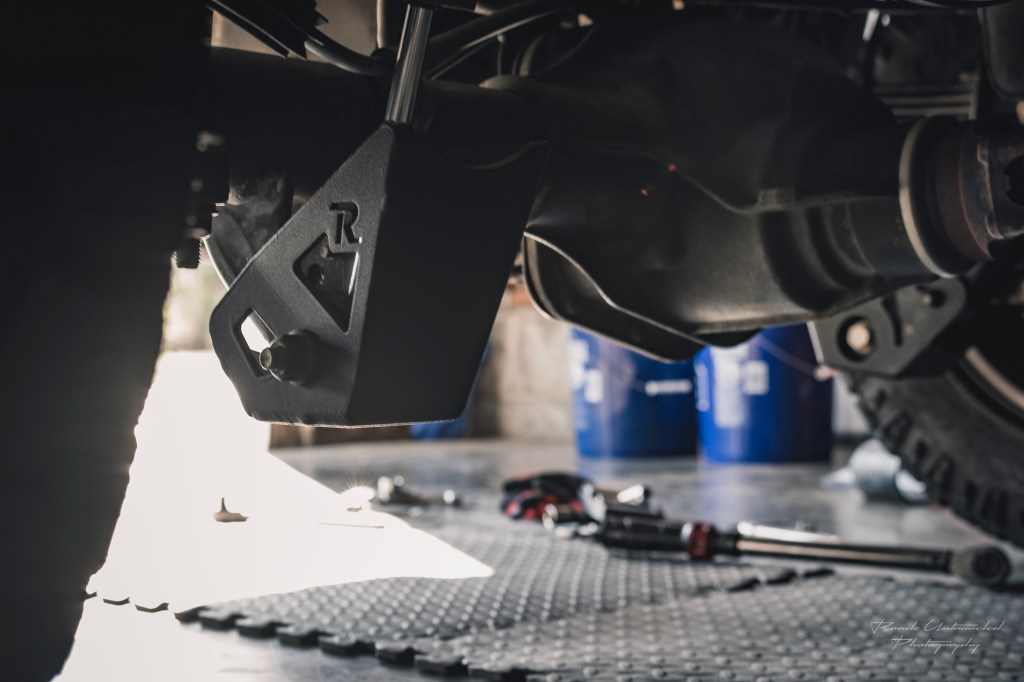
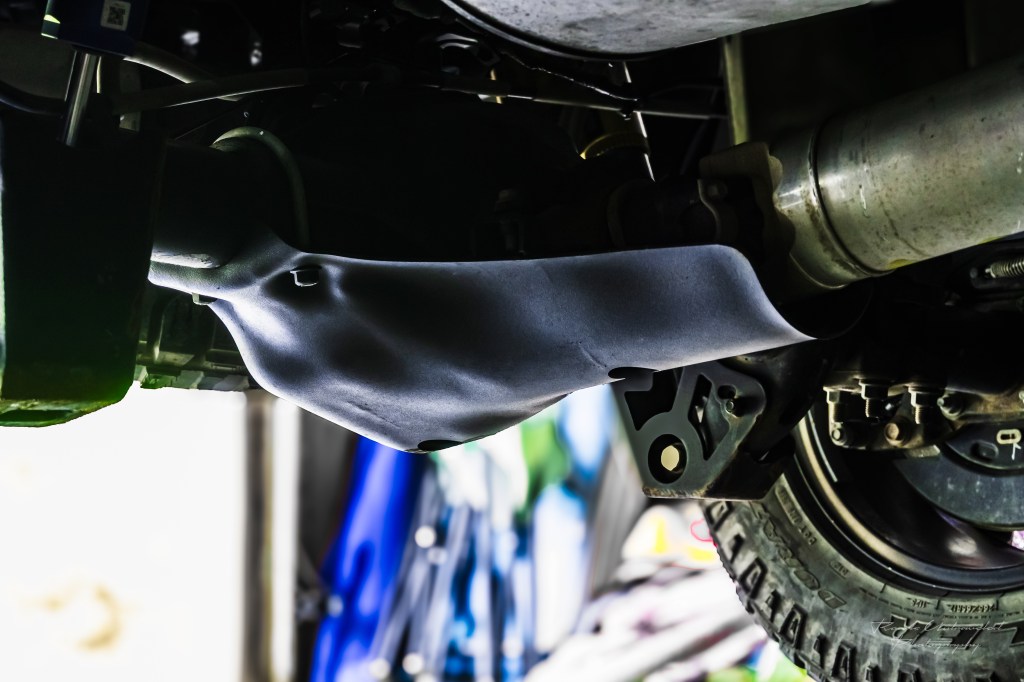
For armor, Lobo was already equipped with an aluminum engine skid plate, rock rails, and a small transfer skid plate. However, one of the major design oversights with the ZR2 suspension has to do with the placement of the rear shocks. The DSSVs in the rear were mounted inboard of the rear leaf springs, which made them an additional low point, which would be vulnerable to trail damage when clearing obstacles. In an effort to preserve the highly sophisticated (and expensive) suspension, rear shock guards from Rago Fabrications were acquired and mounted. These 3/16-inch steel guards offered maximum coverage of the shocks, while remaining simple to mount without modification of the shocks. The other, more traditional low-point at risk of trail damage was the rear differential. Thankfully, AEV offers it’s full line of ZR2 Bison armor for non-Bison Colorados, which includes the rear differential. These hot-stamped boron steel plates are both extremely strong, while being lighter than aluminum. Acquiring AEV’s plate for Lobo was an easy decision! In the future, as confidence and skill increased (as did the difficulty of the trails to be traversed), additional skid plates would be considered for the fuel tank, exhaust, and transmission.
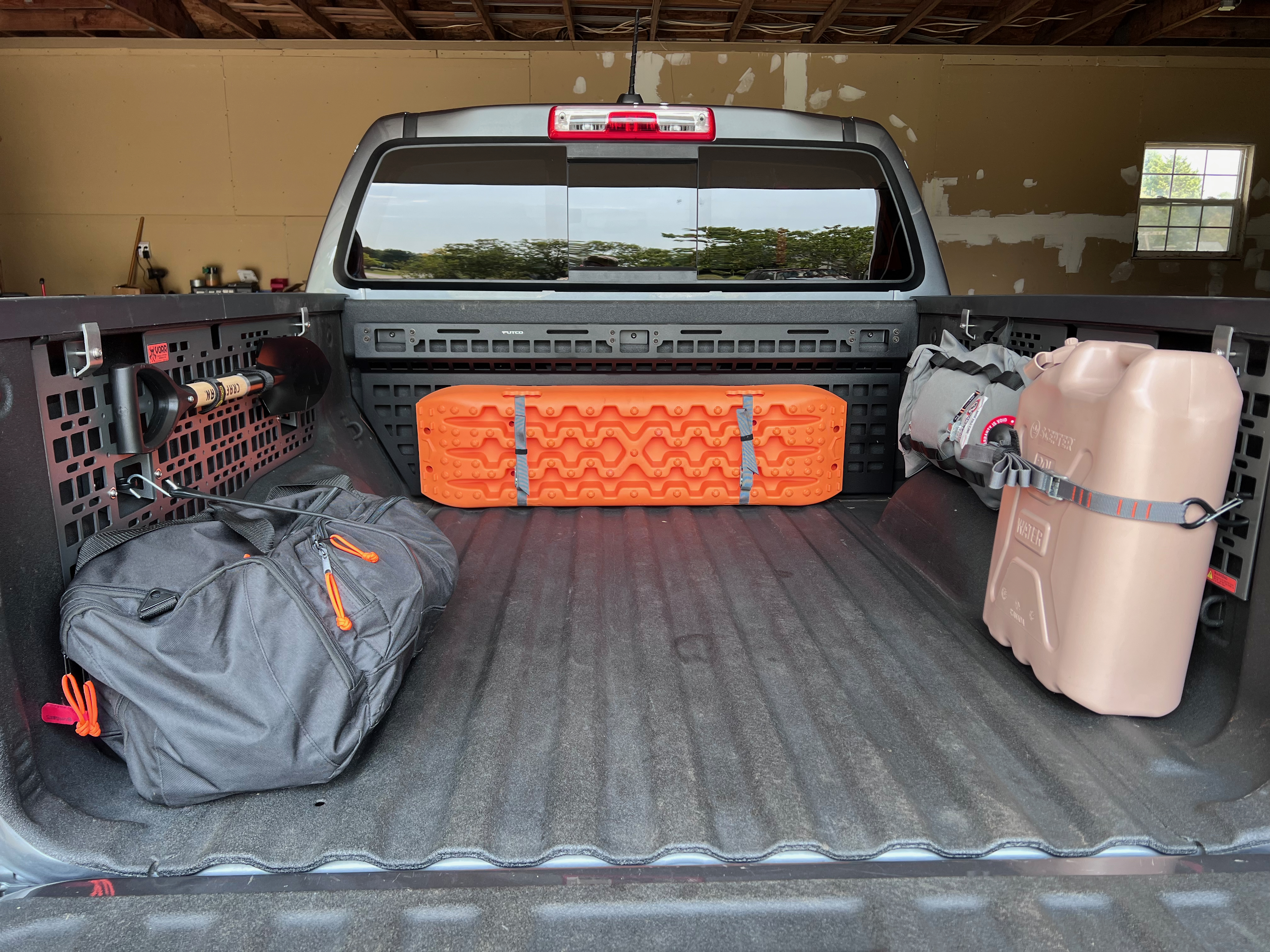
For the first iteration of Lobo’s organizational system, the goal was to maximize lashing and mounting points for various gear, while retaining the open bed for occasional weekend chores that would require hauling tall or odd-shaped loads. To achieve this, a set of steel bed-side MOLLE panels fromValhalla Off-Road Research were acquired and mounted to either side of the cargo bed. These Multi-point Attachment Panel System (MAPS) panels feature CNC cut MOLLE-style openings across the entirety of the steel panel, while featuring a no-drill mounting solution. The MOLLE openings allow a variety gear to be secured to the panels, from lashing straps to mating jerry can plates to the panel, and everything in between. These panels would allow primary cargo to still be loaded and lashed in the center of the bed, while more critical equipment (such as a fire extinguisher, fuel, and recovery boards) could be secured to the side of the bed. Finally, while VORR doesn’t offer a cab-side bulkhead panel, Putco did, which allowed for three of the cargo box walls to be mounting surfaces.
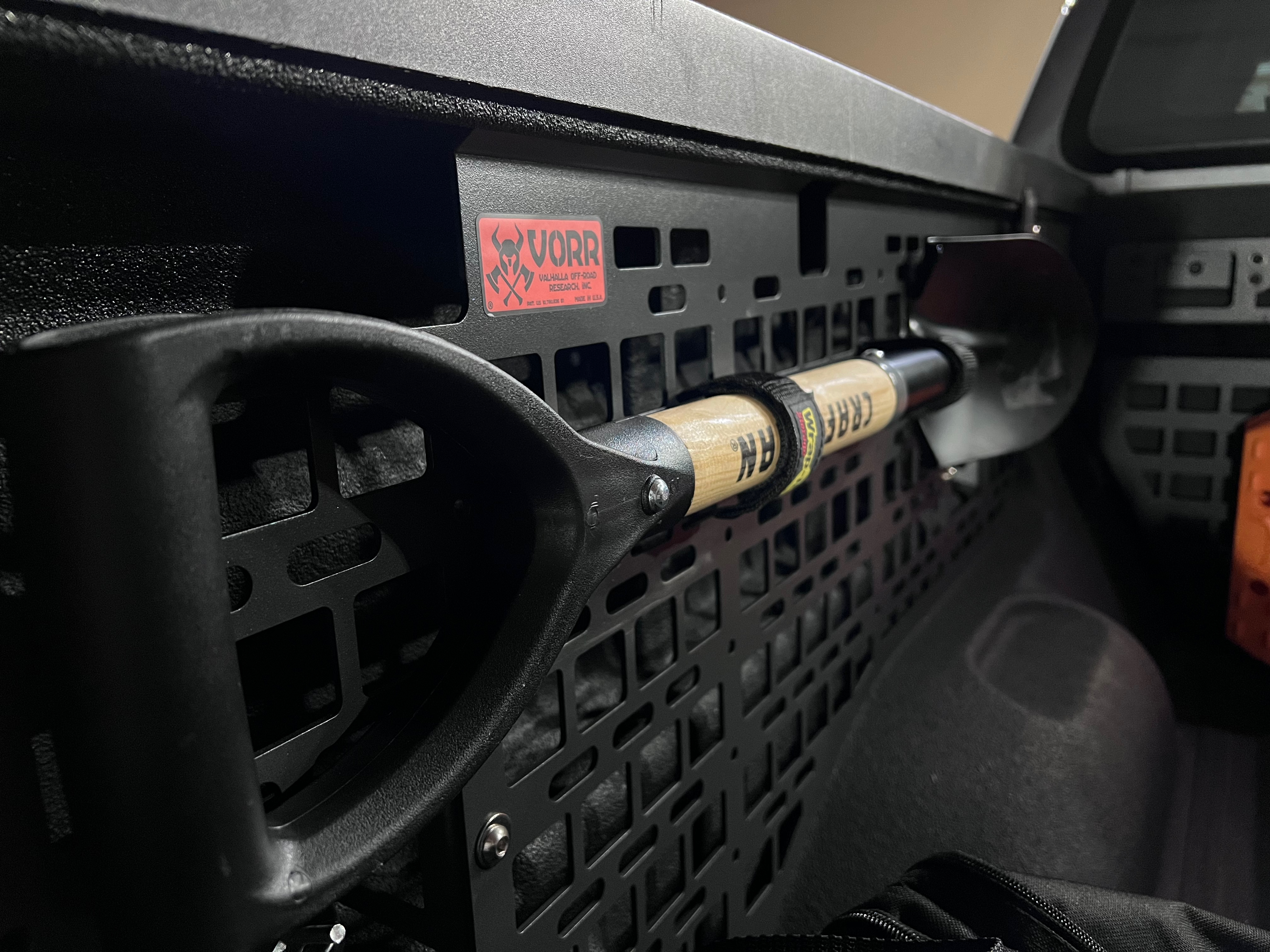
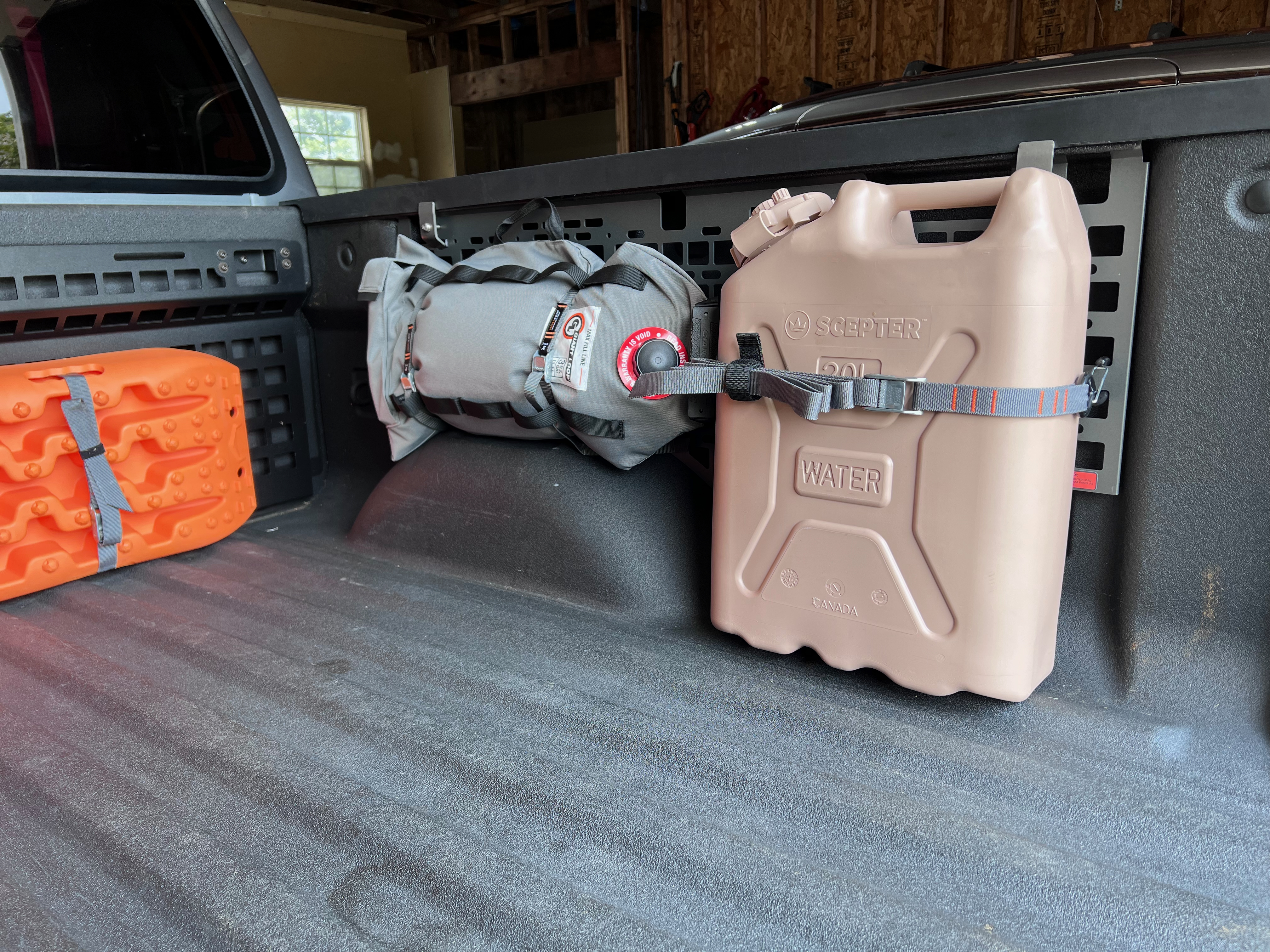
These modifications would comprise phase one of Lobo as an overland build. With some minor adjustments over the next two years of travels (the Napier Sports tent was quickly replaced with a Gazelle T4 Overland Edition for a much quicker set up time), this build has enabled travel and exploration across the Virginias, Indiana, and Ohio. And with each trip lessons have been learned, and the build plan has evolved. As driver confidence and experience grows, so too shall Lobo.
With consistent offerings from Toyota, Land Rover, and other traditional pinnacle overland vehicles, it is easy to overlook the capability and reliability of GM’s offering. However, the Colorado ZR2’s success in the market is indicated by GM’s expansion into the space with the subsequent Silverado ZR2, and the third-generation ZR2 Colorado, accompanied by GMC’s AT4x trims for both the Canyon and Sierra pickups, each with AEV Editions of their own. GM now offers multiple factory-ready overland trucks for any traveler looking for a highly capable, yet comfortable enough for long stretches of paved roads, or daily commutes.
With only a few essential modifications, Lobo has the potential to be a highly capable and reliable overland travel vehicle that can see as much of North America (and beyond) as one wishes. 🧭
 Roads Untraveled
Leave a comment